Material and methods
In creating jewellery, gemstones, coins, or other precious items are often used, and they are typically set into precious metals. Platinum alloys range from 900 (90% pure) to 950 (95.0% pure). The silver used in jewellery is usually sterling silver, or 92.5% fine silver. In costume jewellery, stainless steel findings are sometimes used.
Other commonly used materials include glass, such as fused-glass or enamel; wood, often carved or turned; shells and other natural animal substances such as bone and ivory; natural clay; polymer clay; Hemp and other twines have been used as well to create jewellery that has more of a natural feel. However, any inclusion of lead or lead solder will give a British Assay office (the body which gives U.K. jewellery its stamp of approval, the Hallmark) the right to destroy the piece, however it is very rare for the assay office to do so.
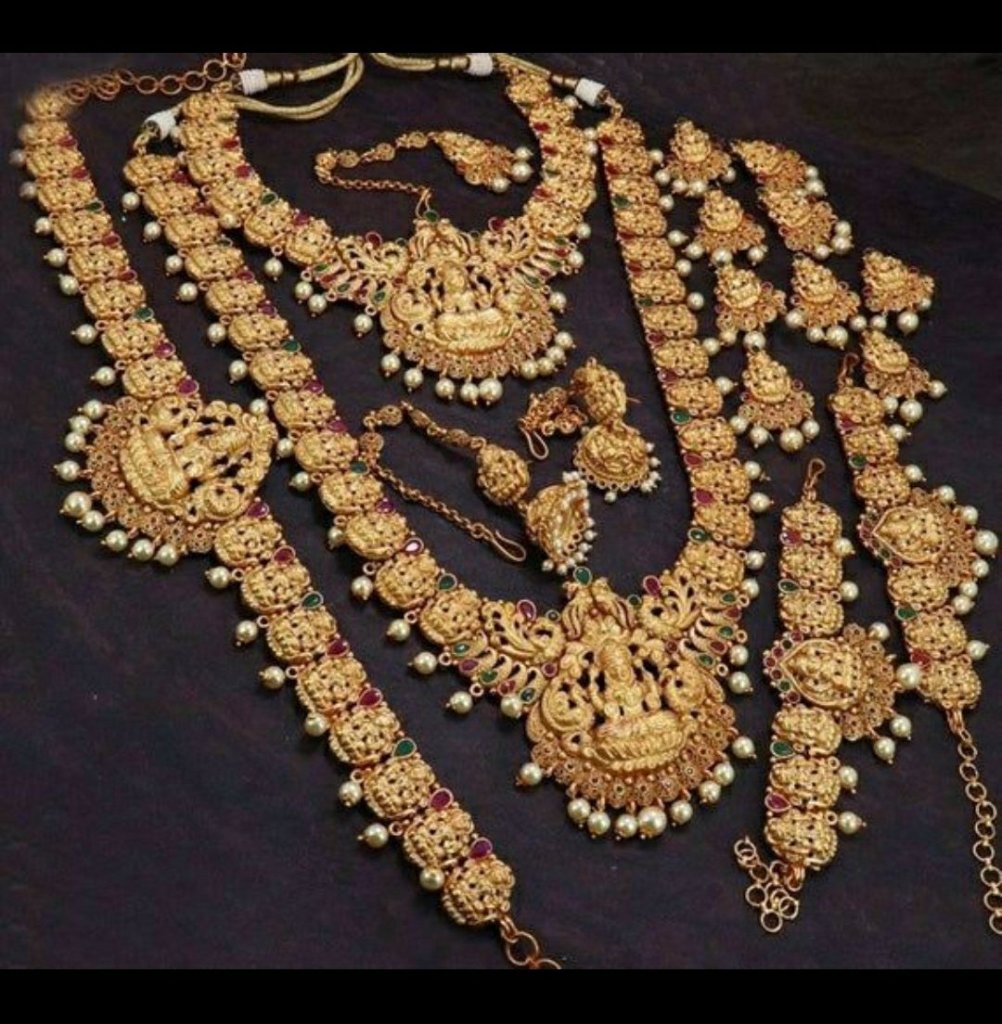
Beads are frequently used in jewellery. These may be made of glass, gemstones, metal, wood, shells, clay and polymer clay. Beaded jewellery commonly encompasses necklaces, bracelets, earrings, belts and rings. Beads may be large or small; the smallest type of beads used are known as seed beads, these are the beads used for the “woven” style of beaded jewellery. Seed beads are also used in an embroidery technique where they are sewn onto fabric backings to create broad collar neck pieces and beaded bracelets. Bead embroidery, a popular type of handwork during the Victorian era, is enjoying a renaissance in modern jewellery making. Beading, or beadwork, is also very popular in many African and indigenous North American cultures.
Silversmiths, goldsmiths, and lapidaries use methods including forging, casting, soldering or welding, cutting, carving and “cold-joining” (using adhesives, staples and rivets to assemble parts).
Diamonds

Diamonds were first mined in India.Pliny may have mentioned them, although there is some debate as to the exact nature of the stone he referred to as Adamas;In 2005, Australia, Botswana, Russia and Canada ranked among the primary sources of gemstone diamond production.There are negative consequences of the diamond trade in certain areas. Diamonds mined during the recent civil wars in Angola, Ivory Coast, Sierra Leone, and other nations have been labelled as blood diamonds when they are mined in a war zone and sold to finance an insurgency.
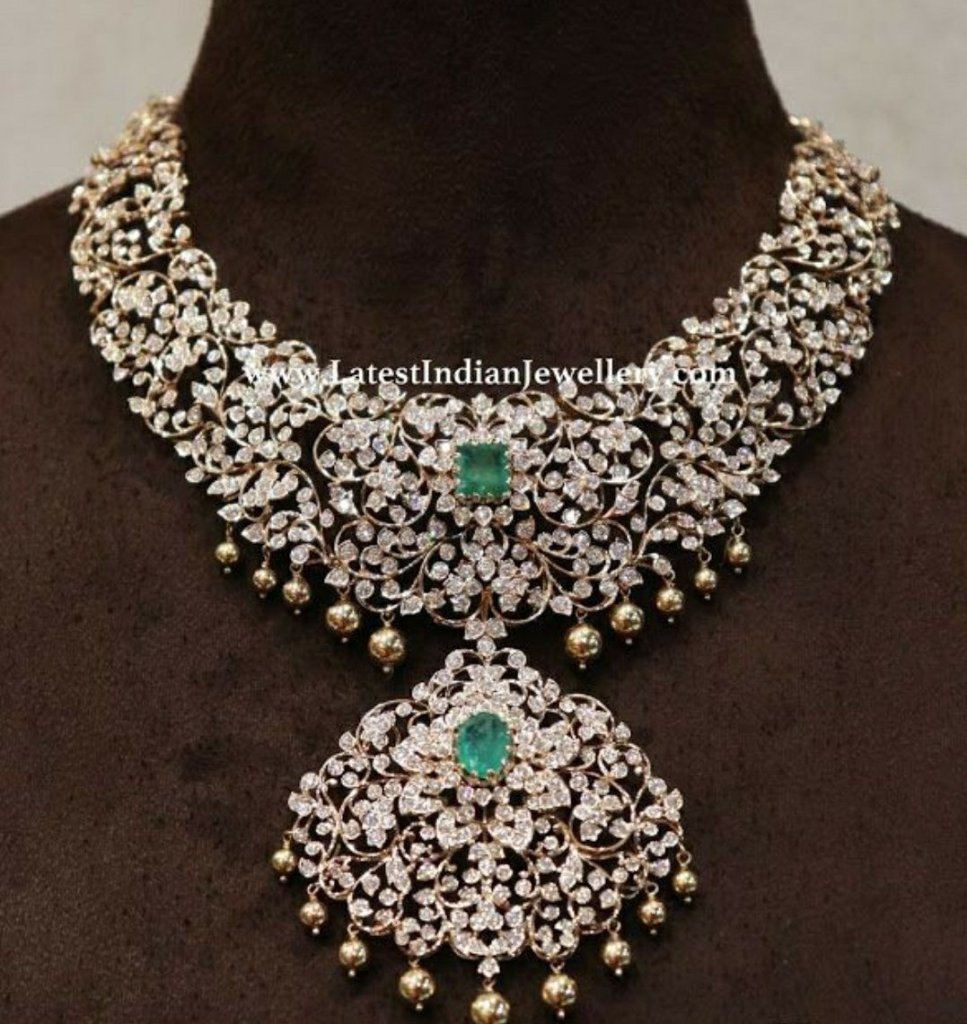
The British crown jewels contain the Cullinan Diamond, part of the largest gem-quality rough diamond ever found (1905), at 3,106.75 carats (621.35 g).

A diamond solitaire engagement ring
Now popular in engagement rings, this usage dates back to the marriage of Maximilian I to Mary of Burgundy in 1477.
A popular style is the diamond solitaire, which features a single large diamond mounted prominently. Within solitaire, there are 3 categories in which a ring can be classified into: prong, bezel and tension setting.
Main article
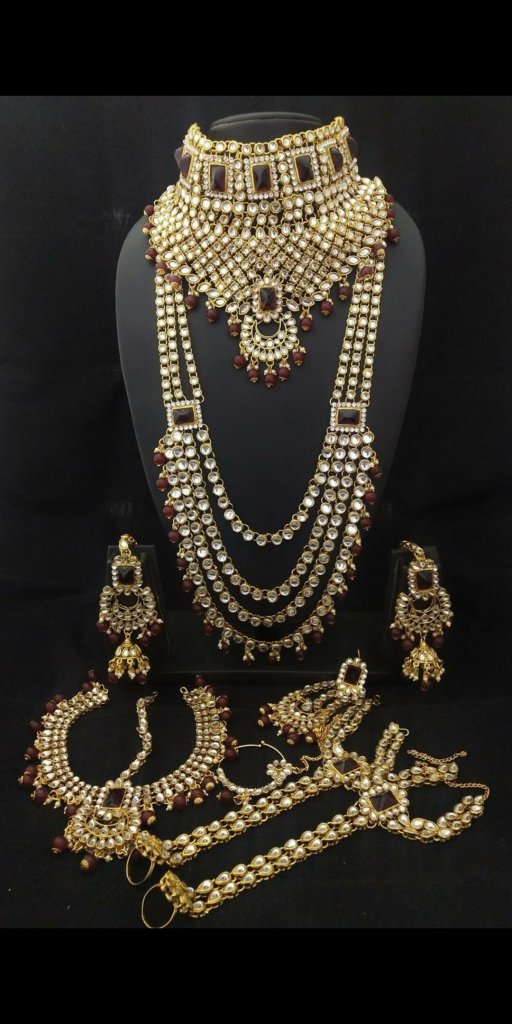
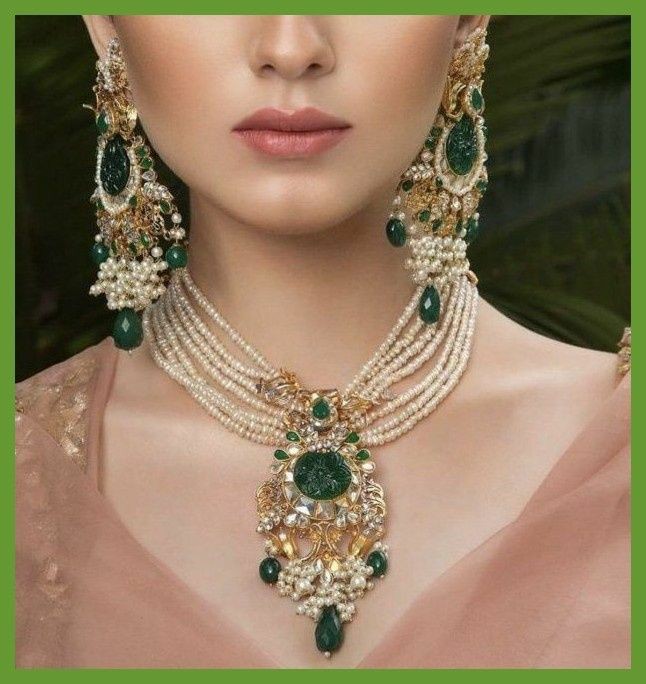
Many precious and semiprecious stones are used for jewellery. Among them are:AmberAmber, an ancient organic gemstone, is composed of tree resin that has hardened over time. The stone must be at least one million years old to be classified as amber, and some amber can be up to 120 million years old.AmethystAmethyst has historically been the most prized gemstone in the quartz family. It is treasured for its purple hue, which can range in tone from light to dark.EmeraldEmeralds are one of the three main precious gemstones (along with rubies and sapphires) and are known for their fine green to bluish green colour. They have been treasured throughout history, and some historians report that the Egyptians mined emerald as early as 3500 BC.JadeJade is most commonly associated with the colour green but can come in a number of other colours as well. Jade is closely linked to Asian culture, history, and tradition, and is sometimes referred to as the stone of heaven.JasperJasper is a gemstone of the chalcedony family that comes in a variety of colours. Often, jasper will feature unique and interesting patterns within the coloured stone. Picture jasper is a type of jasper known for the colours (often beiges and browns) and swirls in the stone’s pattern.QuartzQuartz refers to a family of crystalline gemstones of various colours and sizes. Among the well-known types of quartz are rose quartz (which has a delicate pink colour), and smoky quartz (which comes in a variety of shades of translucent brown). A number of other gemstones, such as Amethyst and Citrine, are also part of the quartz family. Rutilated quartz is a popular type of quartz containing needle-like inclusions.RubyRubies are known for their intense red colour and are among the most highly valued precious gemstones. Rubies have been treasured for millennia. In Sanskrit, the word for ruby is ratnaraj, meaning king of precious stones.SapphireThe most popular form of sapphire is blue sapphire, which is known for its medium to deep blue colour and strong saturation. Fancy sapphires of various colours are also available. In the United States, blue sapphire tends to be the most popular and most affordable of the three major precious gemstones (emerald, ruby, and sapphire).TurquoiseTurquoise is found in only a few places on earth, and the world’s largest turquoise-producing region is the southwest United States. Turquoise is prized for its attractive colour, most often an intense medium blue or a greenish blue, and its ancient heritage. Turquoise is used in a great variety of jewellery styles. It is perhaps most closely associated with southwest and Native American jewellery, but it is also used in many sleek, modern styles. Some turquoise contains a matrix of dark brown markings, which provides an interesting contrast to the gemstone’s bright blue colour.
Some gemstones (like pearls, coral, and amber) are classified as organic, meaning that they are produced by living organisms. Others are inorganic, meaning that they are generally composed of and arise from minerals.
Some gems, for example, amethyst, have become less valued as methods of extracting and importing them have progressed. Some man-made gems can serve in place of natural gems, such as cubic zirconia, which can be used in place of diamond.
Metal finishes

An example of gold plated jewellery.
For platinum, gold, and silver jewellery, there are many techniques to create finishes. The most common are high-polish, satin/matte, brushed, and hammered. High-polished jewellery is the most common and gives the metal a highly reflective, shiny look. Satin, or matte finish reduces the shine and reflection of the jewellery, and this is commonly used to accentuate gemstones such as diamonds. Brushed finishes give the jewellery a textured look and are created by brushing a material (similar to sandpaper) against the metal, leaving “brush strokes”. Hammered finishes are typically created by using a rounded steel hammer and hammering the jewellery to give it a wavy texture.
Some jewellery is plated to give it a shiny, reflective look or to achieve a desired colour. Sterling silver jewellery may be plated with a thin layer of 0.999 fine silver (a process known as flashing) or may be plated with rhodium or gold. Base metal costume jewellery may also be plated with silver, gold, or rhodium for a more attractive finish.
Modern
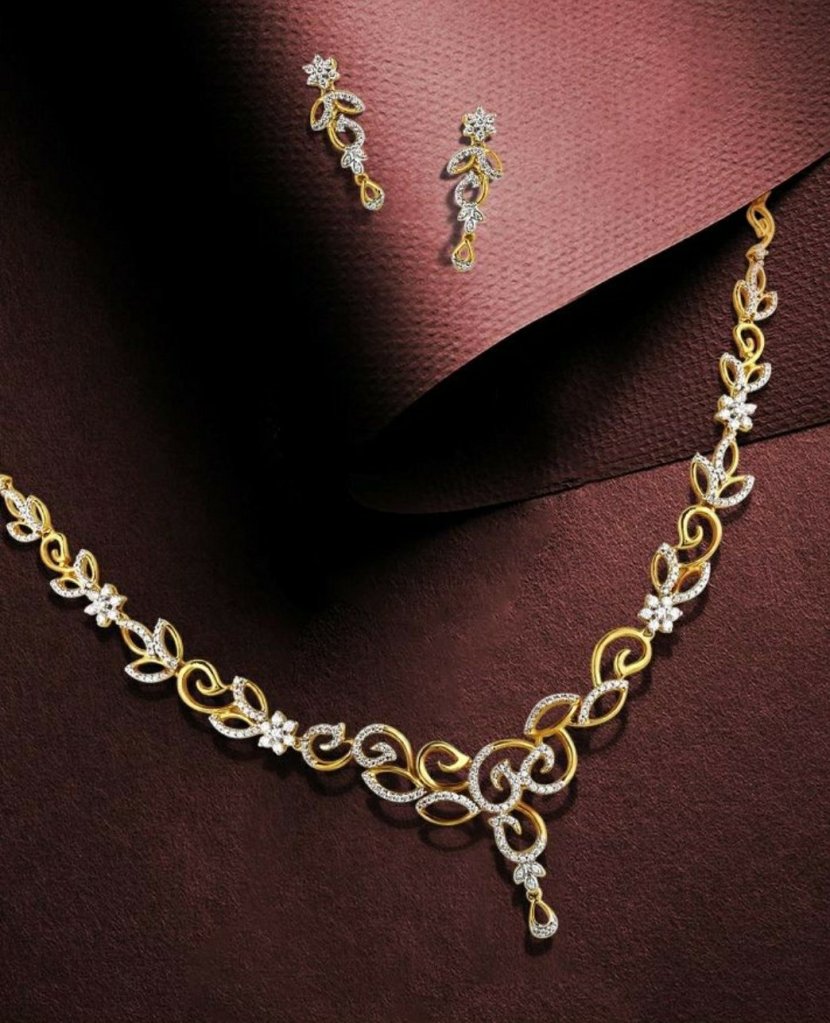
Most modern commercial jewellery continues traditional forms and styles, but designers such as Georg Jensen have widened the concept of wearable art. The advent of new materials, such as plastics, Precious Metal Clay (PMC), and colouring techniques, has led to increased variety in styles. Other advances, such as the development of improved pearl harvesting by people such as Mikimoto Kōkichi and the development of improved quality artificial gemstones such as moissanite (a diamond simulant), has placed jewellery within the economic grasp of a much larger segment of the population.
The “jewellery as art” movement was spearheaded by artisans such as Robert Lee Morris and continued by designers such as Gill Forsbrook in the UK. Influence from other cultural forms is also evident. One example of this is bling-bling style jewellery, popularised by hip-hop and rap artists in the early 21st century, e.g. grills, a type of jewellery worn over the teeth.

Indian actress Shraddha Kapoor showcasing a modern Indian-style jewellery
The late 20th century saw the blending of European design with oriental techniques such as Mokume-gane. The following are innovations in the decades straddling the year 2000: “Mokume-gane, hydraulic die forming, anti-clastic raising, fold-forming, reactive metal anodising, shell forms, PMC, photoetching, and [use of] CAD/CAM.”
Also, 3D printing as a production technique gains more and more importance. With a great variety of services offering this production method, jewellery design becomes accessible to a growing number of creatives. An important advantage of using 3d printing are the relatively low costs for prototypes, small batch series or unique and personalized designs. Shapes that are hard or impossible to create by hand can often be realized by 3D printing. Popular materials to print include polyamide, steel and wax (latter for further processing). Every printable material has its very own constraints that have to be considered while designing the piece of jewellery using 3D modelling software.
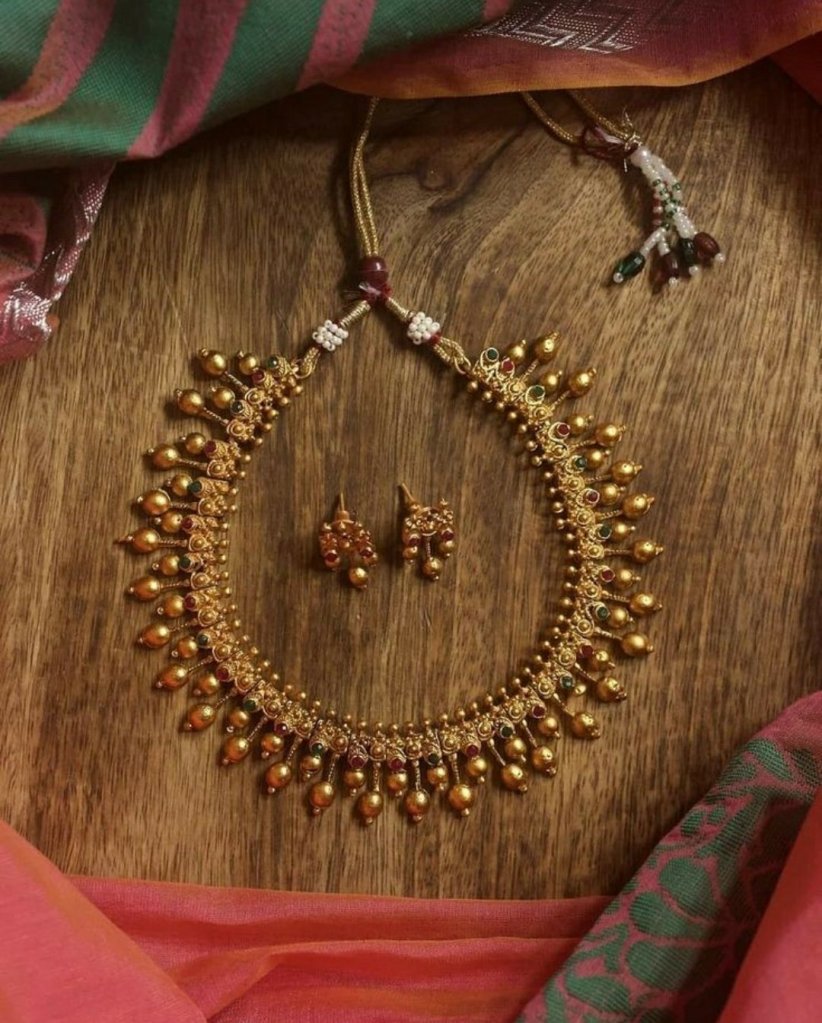
Artisan jewellery continues to grow as both a hobby and a profession. With more than 17 United States periodicals about beading alone, resources, accessibility, and a low initial cost of entry continues to expand production of hand-made adornments. Some fine examples of artisan jewellery can be seen at The Metropolitan Museum of Art in New York City.The increase in numbers of students choosing to study jewellery design and production in Australia has grown in the past 20 years, and Australia now has a thriving contemporary jewellery community. Many of these jewellers have embraced modern materials and techniques, as well as incorporating traditional workmanship.
More expansive use of metal to adorn the wearer, where the piece is larger and more elaborate than what would normally be considered jewellery, has come to be referred to by designers and fashion writers.
 Fashion blogs